Personal, professional, and approachable team
Measured modernisation to maximise value
Independent, jargon-free expertise you can trust
Vetted, approved suppliers for assured performance
Our Services
At Ardent, we offer a comprehensive suite of services designed to enhance the management of your lift assets:
- Maintenance Reviews: We audit your existing contracts and performance to identify areas for improvement.
- Condition Reporting and Reliability Tracking: Our detailed reports provide insights into the current state and reliability of your lift systems.
- Contract Drafting and Renegotiation: We assist you in crafting contracts that hold contractors accountable, ensuring you receive the best service possible.
- Portfolio Management: For clients with multiple lift assets across locations, we provide seamless management solutions to streamline operations.
- Remote Support and Escalation Services: Our team is ready to resolve persistent issues swiftly, minimising downtime and ensuring peace of mind.
- Legal Compliance Assurance: Stay compliant with legal standards such as LOLER and PUWER with our expert guidance.
By choosing Ardent, you benefit from improved service quality, enhanced contractor accountability, and the assurance of peace of mind.
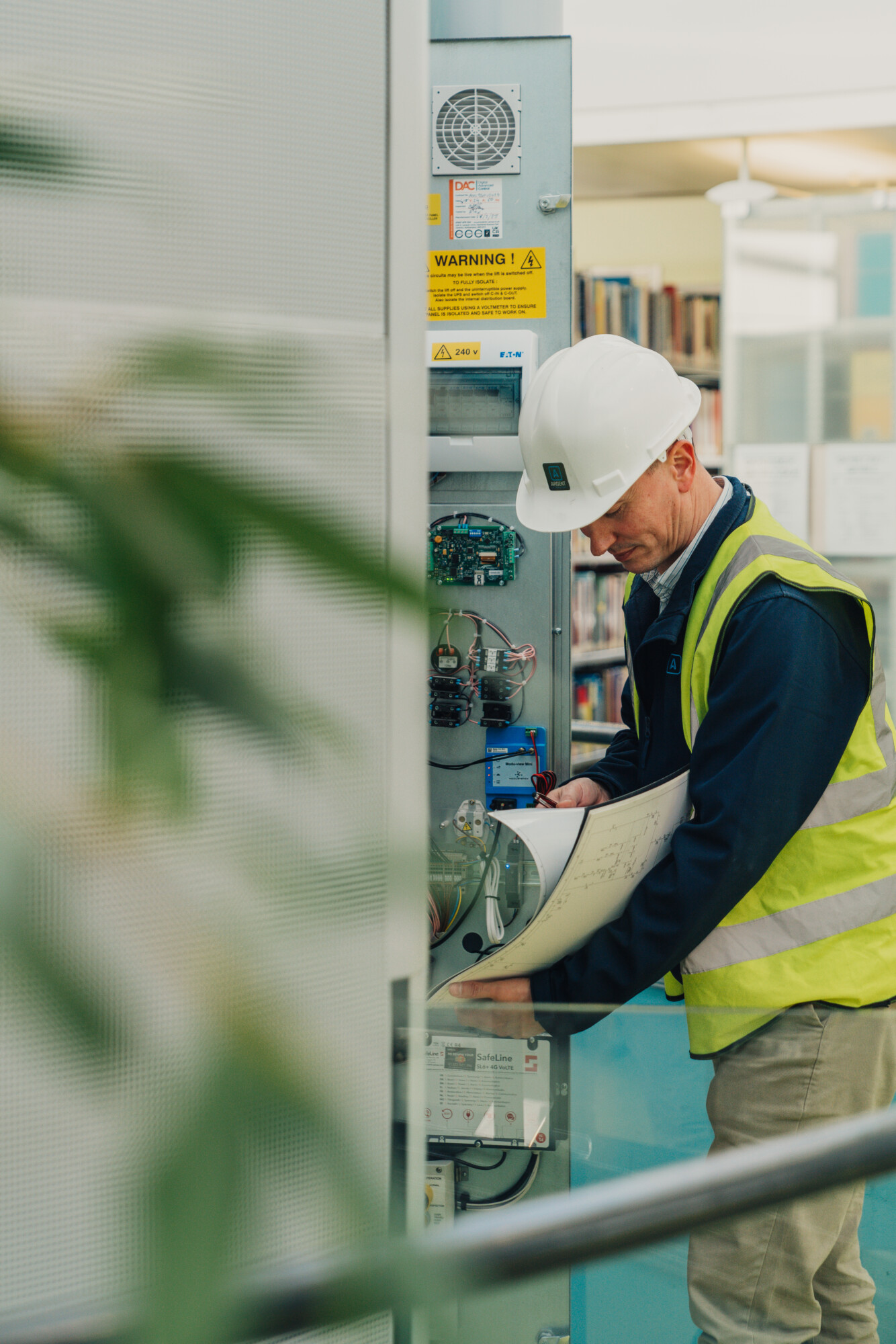
Maintenance documents
Lift maintenance documents from the lift contractors are understandably written to ensure the best possible deal is obtained for their company.
We write contracts that offer less contractor bias, are more robust and ensure a cost effective level of service by tendering on geographical requirements and portfolio size.
Lift portfolio management
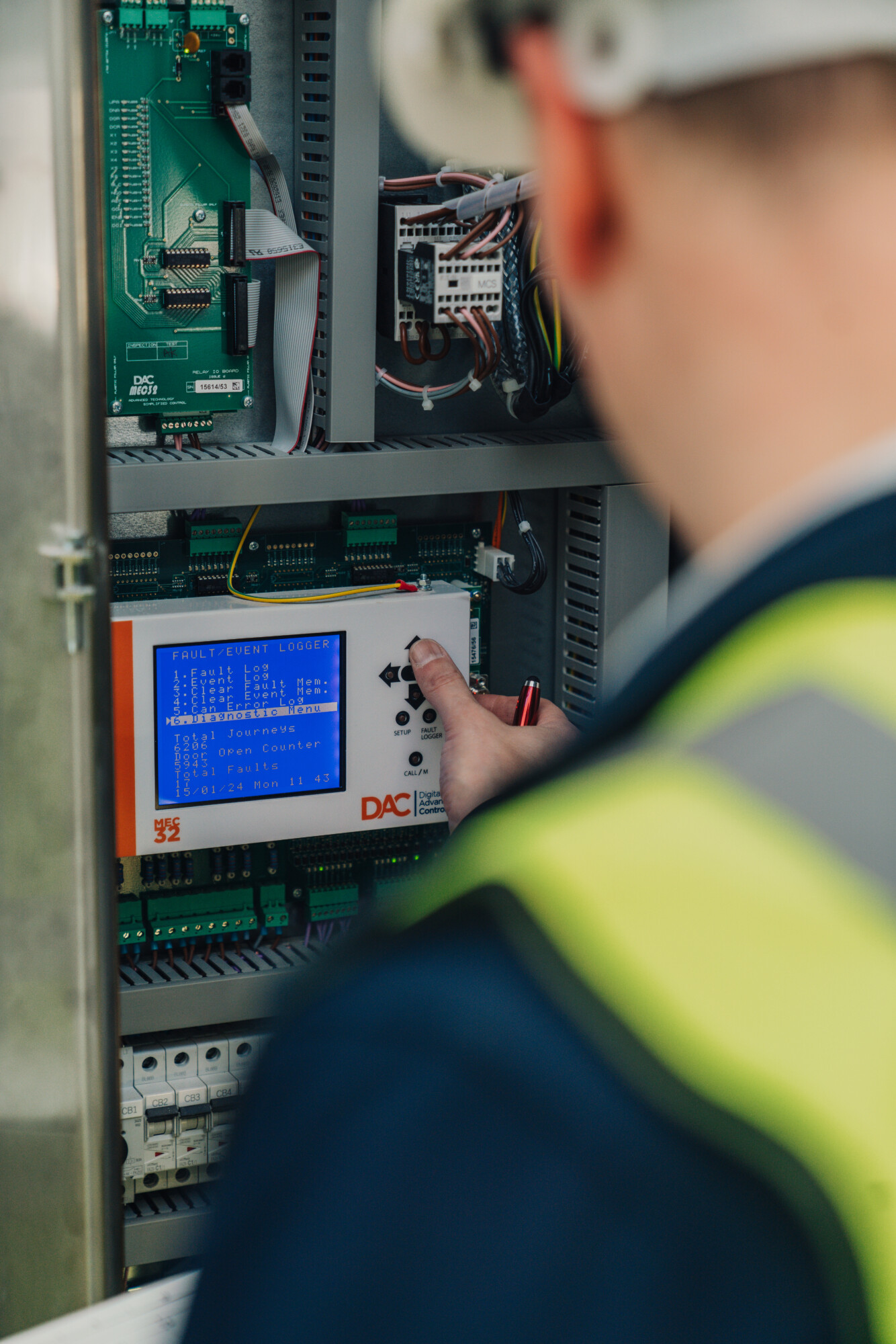
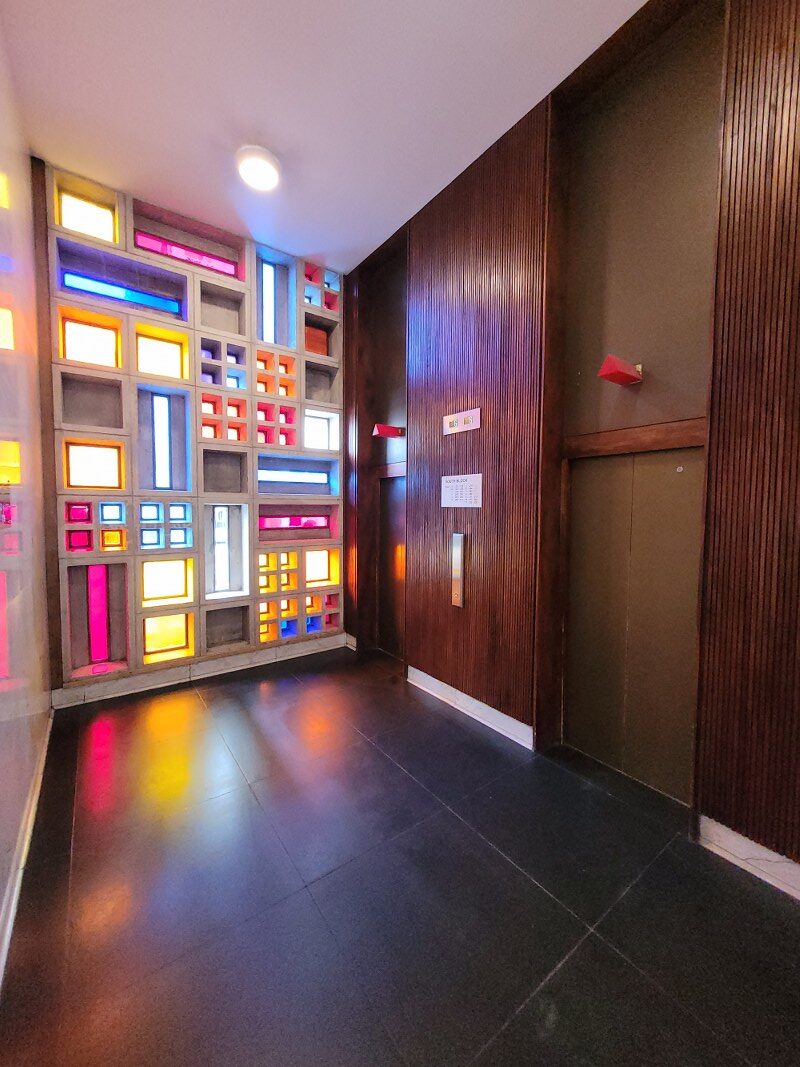
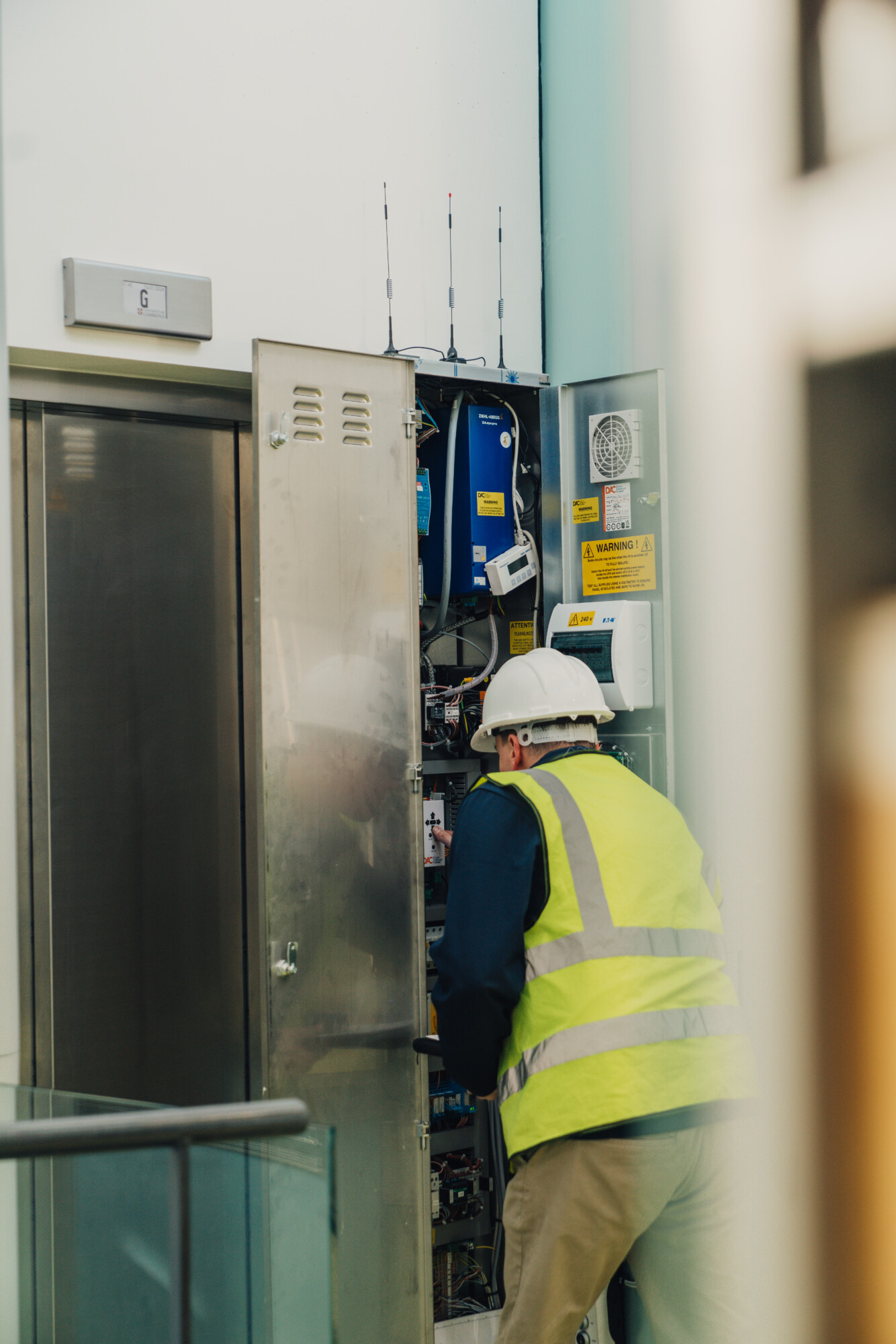
Lift management, even when undertaken by an expert in the industry, can be a time-consuming process, with insurance reports, quotations, breakdowns and service sheets to action.
We lighten the load by undertaking a portfolio management role to deal with your lifts. This service is particularly potent when combined with the above services.
Impartial expert advice
Here at Ardent, we are happy to assist with problems large or small, so we are always willing to field emailed or telephone questions relating to your lifts and problems you may be encountering.
Often we can offer reassurance or clear direction to assist, without the need to attend site (and therefore without the need to charge). Feel free to put us to the test!
Frequently Asked Questions
Whether you manage a single residential building or a portfolio of commercial properties, lift-related questions are rarely straightforward. Ardent Lift Consultancy provides independent expertise across every stage of a lift’s lifecycle, from routine maintenance and LOLER compliance to full modernisation and long-term asset planning.
Browse our frequently asked questions below, or contact us directly for tailored advice.
Lift Maintenance and Reliability
How often should a lift be serviced?
Most passenger lifts require servicing every one to three months, depending on usage levels, the age of the equipment, and the manufacturer’s recommendations. High-traffic installations, such as those in commercial buildings or hospitals, typically require more frequent visits. A structured maintenance programme is essential for preserving reliability and meeting your compliance obligations.
What are the signs that a lift requires immediate attention?
Common warning signs include unusual noises during operation, doors failing to open or close correctly, jerky or uneven travel, unexplained stops between floors, slow response to controls, and visible damage to the car interior or doors. If passengers are being trapped or the lift is stopping at incorrect floor levels, the equipment should be taken out of service immediately and assessed by a competent engineer.
Why does my lift keep breaking down?
Recurring faults are often symptomatic of a deeper issue, whether that is ageing components, poor-quality maintenance, inadequate lubrication, or obsolete parts that are no longer fit for purpose. Frequent breakdowns may also indicate that the lift is approaching the end of its serviceable life. An independent lift consultant can assess the root cause and advise on the most cost-effective course of action.
Can an independent consultant assess the quality of my maintenance contractor?
Yes. Ardent Lift Consultancy offers maintenance contract audits and first-line visit services to evaluate whether your current contractor is delivering the standard of care your equipment requires. Our assessments are entirely impartial, providing an honest appraisal that is not influenced by supplier relationships. Find out more about our lift maintenance consultancy services.
How can I reduce lift downtime in my building?
Downtime is most effectively reduced through a proactive, planned preventative maintenance (PPM) programme. This involves scheduled inspections, timely component replacements, and detailed condition monitoring. Working with an independent consultant alongside your maintenance provider ensures that any issues are identified early and that contractor performance is being properly managed.
Lift Safety and Compliance
What is a LOLER inspection and why is it required?
LOLER stands for the Lifting Operations and Lifting Equipment Regulations 1998. Under this legislation, all lifting equipment used in the workplace, including passenger and goods lifts, must be thoroughly examined by a competent person at regular intervals. LOLER inspections verify that the equipment is safe to operate and that any defects are identified and reported. Failure to comply can result in legal liability and, more critically, risk to life.
How often does a lift need a LOLER inspection?
For passenger-carrying lifts, a thorough examination is required at least every six months. For goods-only lifts, the interval is typically every twelve months, unless a written scheme of examination specifies otherwise. Your competent examiner will issue a report following each inspection.
What happens if my lift fails a LOLER inspection?
If a LOLER inspection identifies a defect that poses an immediate danger, the examiner is legally required to notify the relevant enforcing authority and the owner. The lift must be taken out of service until the defect has been rectified. Where defects are serious but not immediately dangerous, a timescale for remediation will be stipulated. Ardent can advise on prioritising and managing the rectification works, including specification and tendering where required.
Who is responsible for lift safety in a building?
Under LOLER and the Health and Safety at Work Act 1974, the duty holder, typically the building owner, employer, or managing agent, is responsible for ensuring that lifts are safe, properly maintained, and regularly examined. In multi-tenancy buildings, responsibility may sit with the freeholder or the appointed managing agent. It is important that accountability is clearly defined within your management arrangements.
What lift regulations should building owners be aware of?
Key legislation applicable to lift owners and managers in the UK includes LOLER 1998, the Provision and Use of Work Equipment Regulations 1998 (PUWER), the Supply of Machinery (Safety) Regulations, and relevant British and European Standards such as EN 81-20 and EN 81-50. Buildings subject to the Equality Act 2010 must also consider EN 81-70, which sets accessibility requirements for lifts. Ardent can provide a compliance overview tailored to your specific installation.
What is a lift risk assessment?
A lift risk assessment is a structured evaluation of the hazards associated with a lift installation and the controls in place to manage them. It considers factors such as the age and condition of the equipment, fire safety interfaces, entrapment risks, and the needs of vulnerable users. Risk assessments are an important tool for demonstrating due diligence and informing maintenance and modernisation decisions. Learn more about our health and safety consultancy services.
Can a lift be used if safety recommendations have not been completed?
This depends on the nature of the recommendations. Where a LOLER inspection has identified an imminent danger, the lift must not be used until the defect is resolved. For lower-priority advisory items, continued operation may be permissible in the short term, but failure to act on outstanding recommendations can constitute a breach of duty and increase liability in the event of an incident. Ardent strongly advises addressing all safety-related actions within the timescales specified.
Lift Modernisation and Upgrades
How do I know when my lift needs modernisation?
Key indicators include a significant increase in breakdown frequency, difficulty sourcing spare parts, rising maintenance costs, non-compliance with current accessibility or safety standards, and passenger complaints about reliability or comfort. A lift condition survey will provide an objective assessment of the equipment’s condition and an informed recommendation on whether modernisation or replacement represents the best value.
What is the difference between lift repairs and lift modernisation?
Repairs address specific faults or component failures to restore normal operation. Modernisation, by contrast, is a planned programme of upgrades that replaces major systems, such as the control panel, drive unit, or door equipment, to extend the lift’s operational life and bring it in line with current standards. Modernisation is generally more cost-effective than full lift replacement, and it is an area in which Ardent has significant specialist expertise.
How long does a typical lift modernisation project take?
Project duration varies depending on the scope of works, the number of lifts involved, and access constraints. A single-lift modernisation in a residential building may take two to four weeks, whilst a more complex commercial installation could take several months. Ardent manages projects to a clear programme, minimising disruption to building users throughout the works.
Can lift modernisation improve energy efficiency?
Yes. Replacing older drive systems with modern variable voltage, variable frequency (VVVF) drives can substantially reduce energy consumption. Regenerative drive technology can return energy to the building’s electrical supply during descent. LED lighting upgrades within the lift car also contribute to lower running costs. These improvements are increasingly relevant for buildings with sustainability targets or EPC obligations.
Will a modernised lift improve reliability and passenger experience?
In most cases, yes. Modern control systems, door equipment, and drive technology deliver significantly improved reliability compared to ageing installations. Passengers benefit from smoother travel, quieter operation, and enhanced accessibility features. Buildings with a history of frequent breakdowns typically see a marked reduction in call-outs following a well-scoped modernisation programme.
Lift Lifecycle and Asset Management
What is the average lifespan of a lift?
The functional lifespan of a lift is typically between 20 and 25 years, though this varies considerably depending on usage levels, maintenance quality, and the type of installation. With a structured maintenance and modernisation programme, many lifts can operate reliably beyond this range. A lift condition survey provides an accurate assessment of remaining serviceable life for your specific assets.
How can I budget for future lift repairs and upgrades?
Effective budget planning begins with a detailed condition survey that assesses the current state of each lift and forecasts likely expenditure over a five-to-ten-year horizon. This enables building owners and asset managers to set aside appropriate reserves and plan works in advance, rather than responding reactively to failures. Ardent provides lifecycle cost planning as part of our consultancy services.
What are obsolete lift components?
Obsolete components are parts that are no longer in active production and may be difficult or impossible to source. As lifts age, an increasing proportion of their components may become obsolete, leading to extended repair times, higher costs, and potential safety implications if suitable replacements cannot be found. Identifying obsolescence risk early is an important part of lifecycle planning.
Should I repair or replace an ageing lift?
This decision depends on a range of factors, including the age and condition of the existing equipment, the availability of spare parts, the cost of ongoing maintenance, and the building’s long-term requirements. Many lift consultancies default to recommending full replacement; however, Ardent’s approach is to evaluate whether a targeted modernisation programme can deliver comparable outcomes at a lower cost. Our advice is always independent and based on what represents the best value for the client.
Can Ardent help develop a long-term lift asset strategy?
Yes. Ardent works with property managers, asset managers, and housing associations to develop structured asset management strategies for lift portfolios. This encompasses condition assessments, lifecycle forecasting, maintenance contract evaluation, and a prioritised programme of improvement works. A clear asset strategy supports both operational performance and financial planning.
Consultancy and Project Support
What does a lift consultant do?
A lift consultant provides independent, technical expertise across all aspects of lift ownership and management. This includes condition surveys, compliance assessments, specification of maintenance and modernisation works, tendering support, contractor selection, and project management. Crucially, an independent consultant has no commercial relationship with lift contractors, ensuring that advice is given solely in the client’s interest. Find out more on our services page.
Why use an independent lift consultant instead of relying solely on a maintenance provider?
Maintenance contractors have a commercial interest in the work they carry out. Whilst most operate responsibly, their recommendations may not always reflect the most cost-effective solution for the building owner. An independent consultant provides impartial oversight, validates contractor recommendations, and ensures that specification and pricing are appropriate. This independence is central to everything Ardent does.
Can Ardent assist with lift tendering and contractor selection?
Yes. Ardent prepares detailed specifications and tender documentation, manages the tender process, and provides a comparative analysis of submissions to support informed contractor selection. This structured approach helps ensure that clients appoint competent contractors on fair commercial terms, and that the scope of works is clearly defined before any contract is awarded.
Can you review lift maintenance contracts?
Yes. Ardent reviews existing maintenance contracts to assess whether the service levels, response times, and commercial terms are appropriate for the installation and its usage. We identify gaps in coverage, advise on renegotiation where necessary, and help clients understand their obligations and entitlements under the contract. This service is particularly valuable when changing contractor or renewing an existing agreement.
Do you provide support during lift refurbishment projects?
Yes. Ardent provides full project management and site inspection services throughout lift refurbishment and modernisation works. This includes reviewing contractor method statements, attending site progress meetings, inspecting workmanship at key stages, and managing snagging and handover. Our involvement provides clients with confidence that works are being carried out in accordance with the agreed specification.
What types of buildings do you work with?
Ardent works across a wide range of sectors, including residential developments, commercial offices, retail environments, healthcare facilities, educational institutions, infrastructure projects such as airports and rail stations, and hospitality venues. Our experience across these sectors means we understand the differing operational requirements, compliance obligations, and user needs that apply to each. Visit our sectors page to find out more.
Getting Started
How do I arrange a lift survey or consultation?
Contact Ardent directly via our enquiry form or by telephone. One of our consultants will discuss your requirements and recommend the most appropriate service, whether that is a first-line visit, a full condition survey, a compliance review, or ongoing consultancy support. We operate nationally, with a particular focus on London, Birmingham, and Manchester.
What information should I provide when contacting Ardent about a lift issue?
To help us advise you as efficiently as possible, it is useful to provide the following where available: the building address and type, the number of lifts and approximate age of the installation, the name of your current maintenance contractor, a description of the issue or concern, any existing inspection or survey reports, and details of any recent breakdowns or LOLER findings. The more context you can provide, the more targeted our initial guidance can be.
Looking for expert lift consultancy? Contact us to discuss how we can help.
Gareth Lomax
Chris Eaton
Meet our full team
Get to know the dedicated experts behind our success and discover how their skills drive exceptional results.
Trusted feedback from our clients
See what our clients have to say about our trusted expertise and exceptional service.
We were delighted with both the quality of the final outcome and the management of the work-programme.
The project was only a week behind schedule, which is nothing given its complexity.
After a few minor teething issues we have a lift, which looks as beautiful when it was originally installed, but now moves with the smoothness of a modern one.
Philip Percival – Heatherlawns Property Management Ltd
Early 2018
We contacted Ardent Lift Consultancy to undertake a survey of the 8 lifts serving the estate at St Charles Hospital. Their survey report identified the different designs, ages, and condition of the lifts at the property, and they produced different recommendations for each lift on this basis.
Ardent were instructed to specify, tender and project manage this complex and varied contract. They delivered a well-managed project, which came in on time and under budget
Martin Meltze – MAPM
December 2022
One of our residential developments in London had lift reliability issues, so we engaged with Ardent Lift Consultancy to advise our Client on the options available to them to ensure reliable lift service at the property. For HML and our Client, it was paramount Ardent delivered a cost-effective solution.
The Ardent team recommended a new lift installation rather than refurbishing the existing lift which offered greater load capacity, operational speed, and lift performance. Gareth and Chris successfully managed the project during the Covid19 situation and ensured the lift contractors could safely deliver the project.
From our initial dealings with Ardent to the completion of the project, we have been impressed by their work ethic and would highly recommend Ardent Lift Consultancy.
Wayne Savage BA (Hons), MIRPM AssocRICS
Late 2018
Begin your enquiry today and get expert, independent advice
Phone:
T: 01394 200 328
M: 07792 395 259
Email: info@ardentlc.co.uk
Can you help me manage multiple lifts across buildings?
Absolutely. Our portfolio management services are tailored to handle multiple lift assets efficiently and effectively, providing you with centralised control and peace of mind.
Do you offer ongoing support?
Yes, we provide continuous support, including remote assistance and escalation services, ensuring that any issues are resolved promptly.
Will you deal directly with my maintenance provider?
Certainly. We liaise with your maintenance providers directly to ensure that all services meet your expectations and legal requirements.
Learn more about our work and impact
Explore how our expertise delivers tailored solutions and measurable results across various projects and sectors.